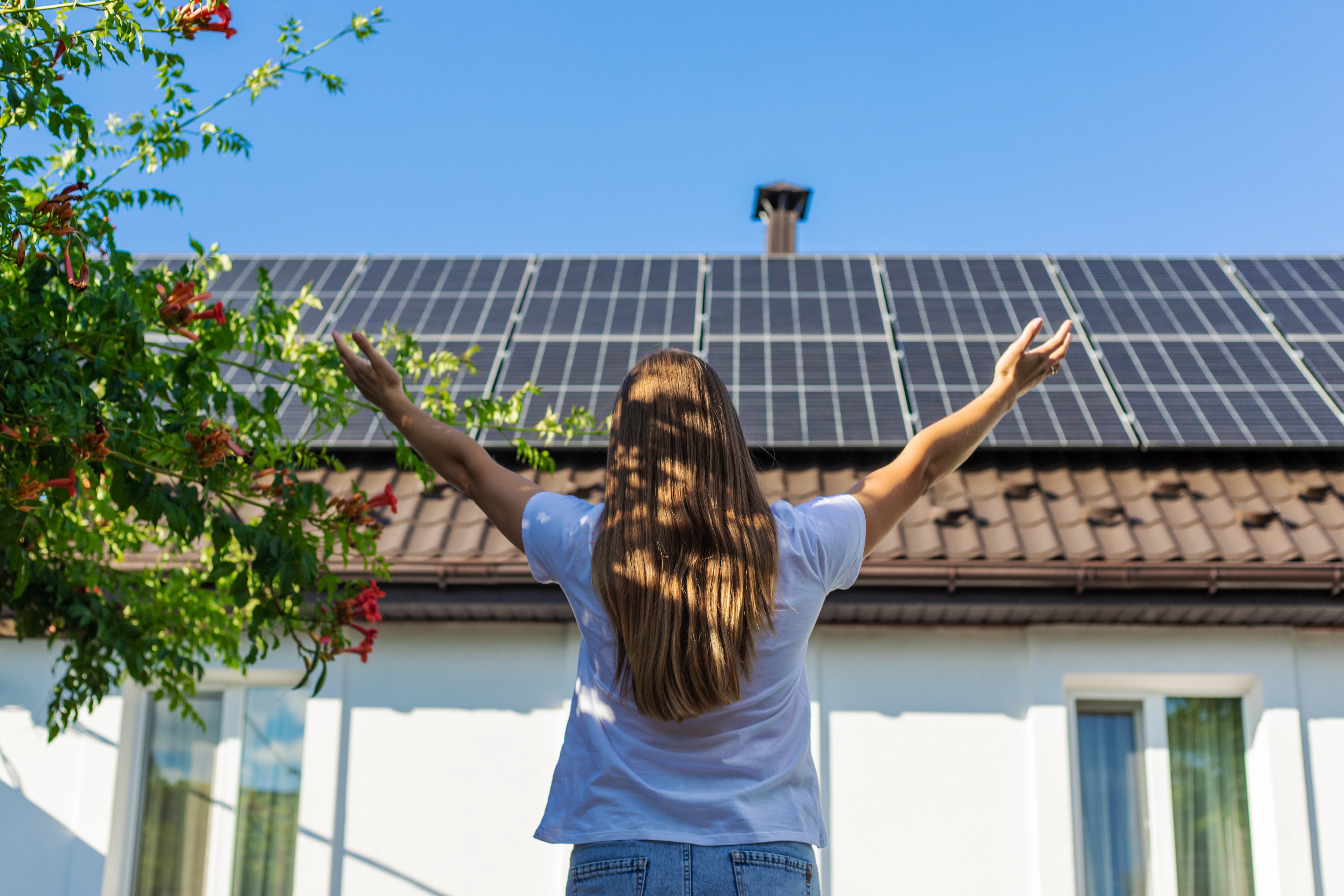
Why add a battery to a solar system
Production and consumption happen at different times
A solar system reaches its highest output around the middle of the day. Most households use the largest share of their electricity earlier in the morning and again in the evening: cooking, heating water, laundry, heating or cooling, charging a car.
Without storage, the surplus produced at midday goes to the grid, and the electricity needed in the evening is bought back from it. The system produces a substantial amount of energy over the year, and the household still uses relatively little of it directly.
Sending surplus to the grid is worth less than it used to be
Across Europe, solar capacity has grown quickly, and it all produces at the same time. When the sun is out, supply is high and wholesale prices are low. In several markets prices regularly fall to zero or below during sunny midday hours.
The reverse applies in the evening. Solar output has dropped, demand is at its highest, and electricity is at its most expensive.
A household without storage is therefore exporting energy at the moment it is worth least, and buying it back at the moment it costs most. The panels perform exactly as designed; the value of what they produce depends on timing.
What a battery changes
Storage keeps the midday surplus on site and releases it when the household actually needs it. The share of solar production used directly rises, and the amount of electricity bought at peak prices falls.
For homes with a heat pump or an electric vehicle, where annual consumption is well above average, the effect is correspondingly larger.

Beyond self-consumption
Once storage is installed, it can do more than absorb solar surplus.
Buying at the right time. Electricity prices change through the day, and in markets with dynamic tariffs households can act on that directly. A battery can be charged when energy is cheap and discharged when it is expensive, including on days with little sun. In winter, when solar output is limited, this is often where most of the benefit comes from.
Reducing peak demand. Network charges increasingly depend on how much power a household draws at once, not only on total consumption. When several large appliances run simultaneously, a battery can cover the difference so the peak drawn from the grid stays lower.
Keeping the power on. When the grid fails, a solar system alone shuts down for safety reasons. Combined with storage and a suitable inverter, the home can continue running on its own energy through an outage.
Coordinating the rest of the home. Water heaters, heat pumps and vehicle chargers can be scheduled around solar production and price levels rather than run whenever they are switched on. Storage absorbs whatever is left over.
Taking part in grid services. Grids need flexibility to balance rising shares of renewable generation. Households with storage can make part of their capacity available for that purpose and be compensated for it, through lower energy costs, reduced network charges or direct payment, depending on the market.
Storage returns what its control logic makes of it
A battery decides nothing by itself. Whether it charges at noon or at three in the morning, whether it holds a reserve for the evening peak or discharges into an expensive hour, is a decision that has to be made continuously — against solar production, household consumption, network tariffs and market prices.
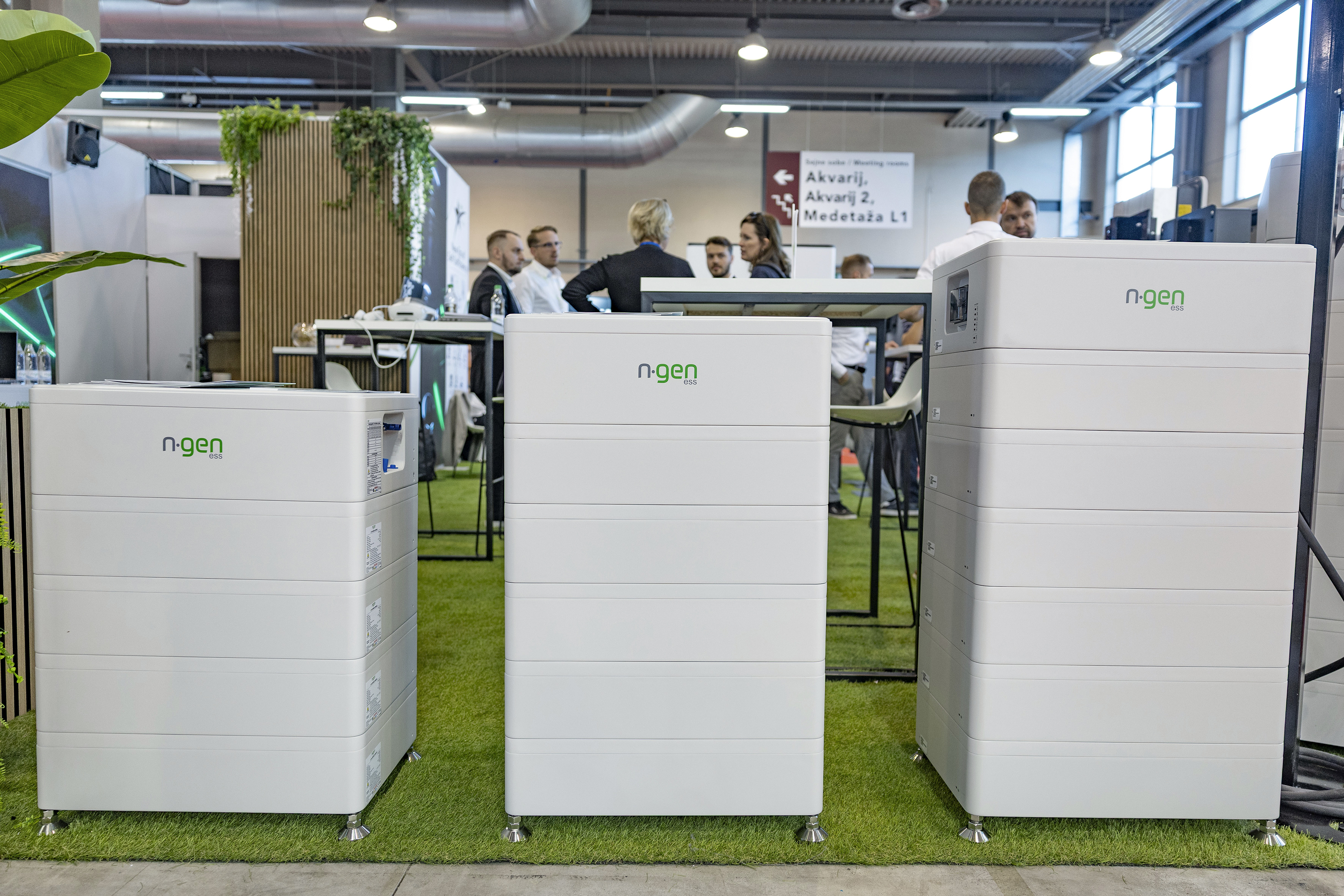
That decision belongs to an energy management system. NGEN's SG CONNECT connects the solar system, battery, meter and controllable appliances into a single control logic and manages them in real time, according to what the household is producing and consuming, the applicable network tariffs and current electricity prices. The household sets its priorities; the system handles the rest in the background and shows the result in one place.
Battery storage
Get more from your solar system.