Šibenik 1, Croatia - 10 MW / 20 MWh
- 10 MW / 20 MWhCapacityTesla MegapackTechnology
- ŠibenikLocation2026Commissioned
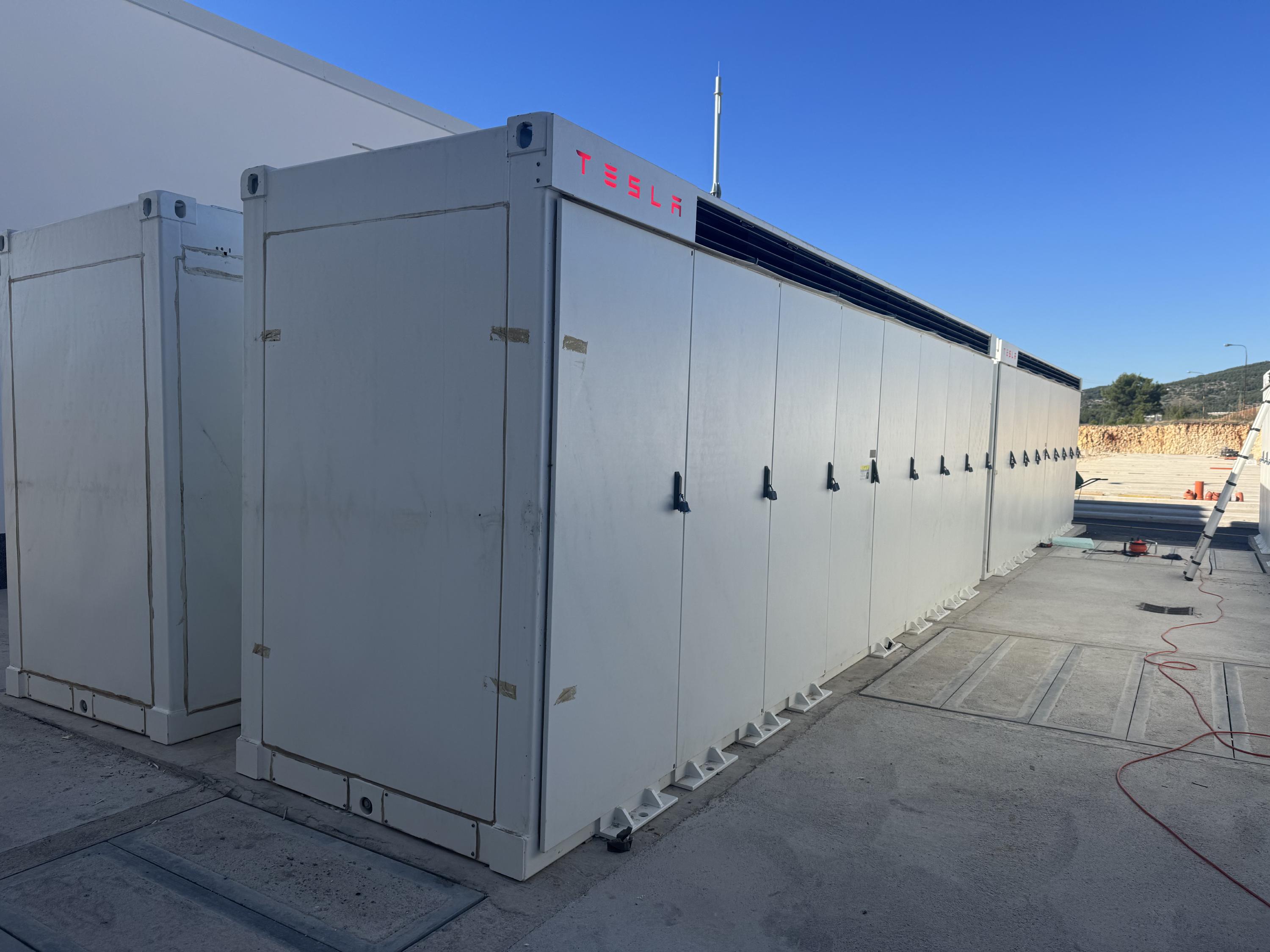
Project Overview
The opening phase of Croatia's first large standalone battery, and the first battery capacity connected to the country's transmission grid.
Šibenik 1 is the first phase of the battery storage system NGEN built for IE-Energy at Ražine in Šibenik, on the IMPOL-TLM industrial site. Its Tesla Megapack units provide 10 MW of power and 20 MWh of storage capacity. The units were installed in autumn 2025, when trial commissioning and verification testing began, and the battery entered market operation in January 2026.
The site was chosen for its grid connection. The former TLM light-metals works needed a large connection for aluminium electrolysis, and part of that capacity is no longer used. The project leases part of that capacity from the current plant owner and uses the existing infrastructure instead of building new grid assets for a single project, which saved both time and money.
IE-Energy is the investor and project owner. NGEN is the main EPC and technology partner. It was responsible for design, supply, system integration and commissioning, and it optimises the battery on the energy markets and in ancillary services.
The Challenge
Croatia has been adding renewable capacity faster than the flexibility needed to absorb it.
Solar and wind account for a growing share of Croatian generation, and the hourly spread in wholesale prices has widened with them. In hours of strong solar output prices fall, at times below zero. When output drops, the system is short and prices rise.
The grid has also been losing inertia. Thermal and hydro plants provide it through the rotating mass of their generators, which damps sudden changes in frequency. Conventional inverter-connected solar and wind provide none, so as their share rises the grid becomes more exposed to frequency deviations.
HOPS, the Croatian transmission system operator, runs markets for ancillary and balancing services and welcomes any additional flexibility. What the country lacked was a battery large enough to take part. Until Šibenik, no battery was connected to the Croatian transmission grid.
The Solution
Tesla supplies the hardware; NGEN's software decides how the battery operates.
The first phase brought part of the system into operation ahead of the rest. The Tesla Megapack units use lithium iron phosphate (LFP) cells and deliver 10 MW for two hours. They connect through the existing transformer and transmission connection of the IMPOL-TLM site.
The plant runs on NGEN's technology platform, which gives it access to the markets for ancillary services, balancing and intraday trading. On the wholesale market the battery charges when prices are low and discharges when they are higher. On the balancing market it offers fast-response capacity to HOPS.
Its control system reacts to changes in frequency almost instantly and damps oscillations before they develop into a wider system problem.
The battery is supervised around the clock from NGEN's dispatch centre in Žirovnica, Slovenia.
Key Outcomes
What this project delivers.
First battery on the Croatian transmission grid
Šibenik 1 brought the first battery storage capacity onto the Croatian transmission grid.
Existing connection capacity reused
The project uses connection capacity built for aluminium electrolysis instead of new grid infrastructure.
In market operation from January 2026
The first 10 MW / 20 MWh entered market operation in January 2026, ahead of the full system.
The base for 60 MW
Šibenik 1 prepared the site for the 50 MW second phase, which took the system to 60 MW / 120 MWh.