Slovenian home - 8.8 kWp + 20.72 kWh
- 8.8 kWp + 20.72 kWhCapacity€2,630Grid electricity over ten years
- €27,670Projected saving over ten years€11,919Cost after subsidy
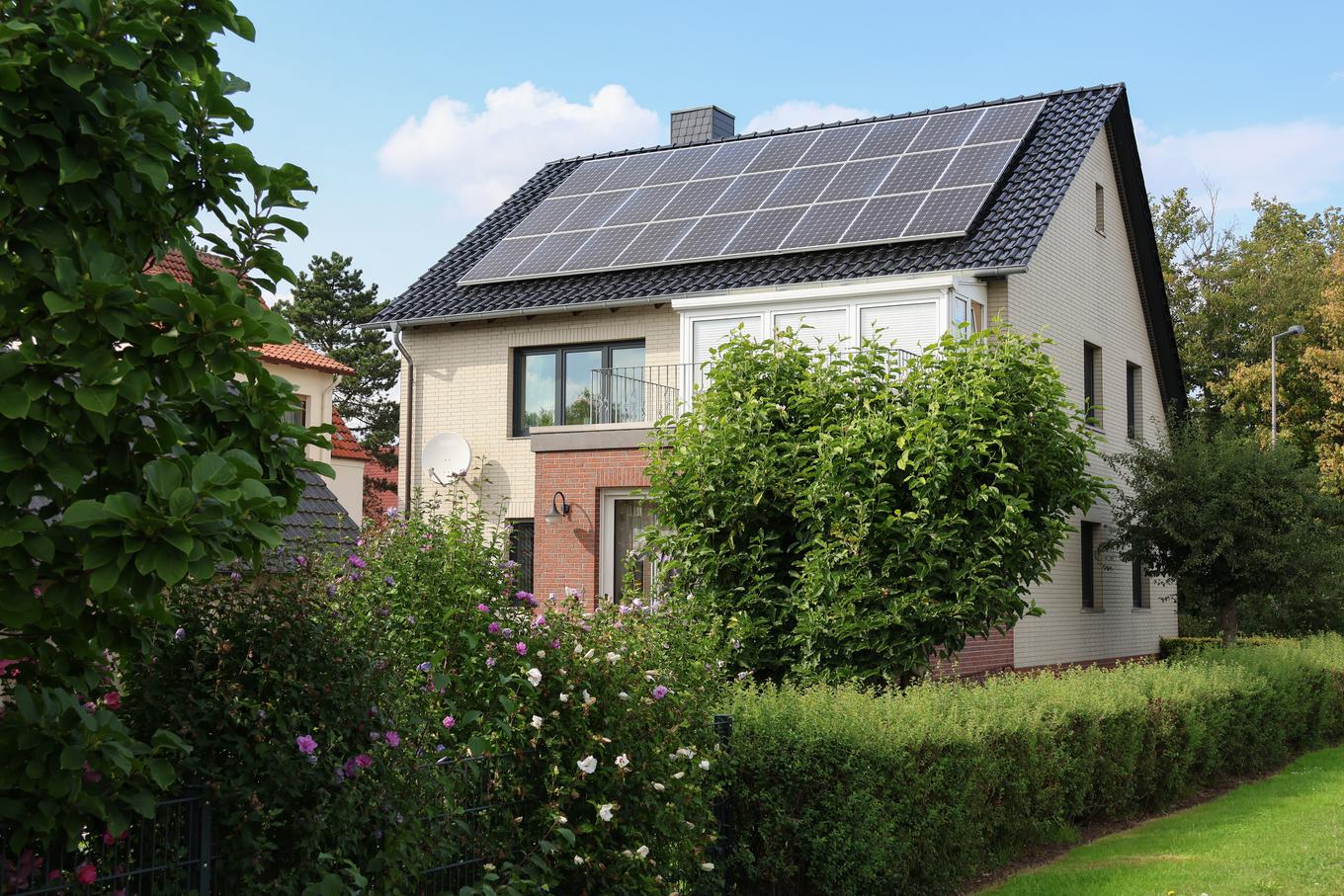
The household
A family home using 9,000 kWh a year, facing €30,300 of grid electricity over the coming decade. The system installed brings that to €2,630.
Nine thousand kilowatt-hours a year is an ordinary figure for a Slovenian family home. What has changed is what that consumption costs. On the projection behind this case, ten years of grid electricity would have come to €30,300, an average of just over €3,000 a year. That figure carries the price rises already expected, not today's tariff held flat.
The household installed an 8.8 kWp NGEN Star hybrid system with 20.72 kWh of battery storage. A state subsidy of €5,940 brought the cost to the household down to €11,919. Over the same ten years, the projection puts the remaining grid electricity bill at €2,630.
The Challenge
The old net-metering scheme is gone. An unmanaged array no longer covers a year's consumption on paper, or anywhere else.
Under the arrangement that Slovenia has now ended, electricity sent to the grid in summer was set against electricity taken back in winter. Size the array well and the annual balance came close to zero, whatever happened hour by hour. Panels alone were enough because the accounting did the rest.
That is no longer how a bill is put together. What a household pays now depends on when it draws electricity and how much power it draws at once, measured separately in each time block of the day and season. Block 1, the most expensive, is also when a family home is busiest: the winter evening, with the oven on and the lights up.
An array on its own produces nothing at that hour. Without somewhere to put the daytime surplus, it is sold cheaply at noon and bought back expensively at seven.
Where the Saving Comes From
Three things, working together.
Using your own solar instead of buying it back
The 20.72 kWh battery holds the daytime surplus until the house needs it. Electricity produced at noon is used in the evening rather than exported at a low rate and bought back at a high one.
Covering Block 1, where the tariff hurts most
The system supplies the house automatically during the grid's most expensive time block, without anyone watching the clock. That is where the largest single part of the network saving is made.
Turning a rising cost into a fixed one
The €11,919 is spent once. The €30,300 it replaces would have recurred every decade and risen with each tariff revision. The household is no longer exposed to that in the same way.
The NGEN Star system manages the array, the battery and the household's consumption as one, which is what turns three pieces of equipment into a single result.